Star Tattoo Meanings: Symbolism, Minimal Designs, and the Six-Pointed Star
2023/10/27
2026/02/07
2026/02/07



Star designs are one of the most popular tattoo choices, as they work well even as small, minimal pieces and can be easily combined with other motifs.
However, did you know that there are many different types of stars, each with its own meaning?
In this article, we’ll explore the meanings behind various star designs, along with tattoo examples for each style.

Star tattoos generally symbolize hope, wishes, protection, and guidance.
However, there are actually many different types of stars, and each carries its own unique meaning.
Below, we’ll introduce six types of stars and explore the symbolism behind each one.
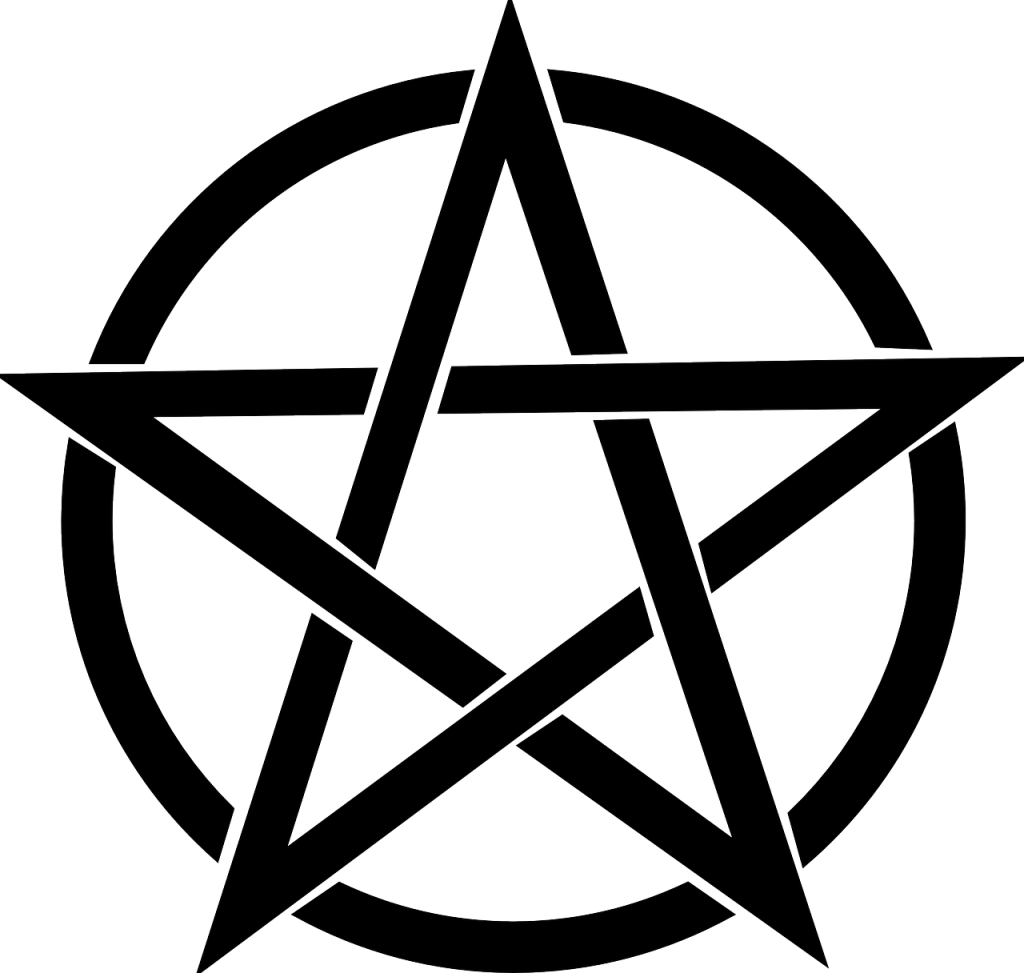
When people think of a star, the five-pointed star, or pentagram, is often the first image that comes to mind.
In Japan, the pentagram was traditionally used as a protective symbol in Onmyōdō, a form of spiritual practice similar to divination or astrology.
The famous Heian-period onmyōji Abe no Seimei was also known to use the pentagram on talismans as a symbol to ward off evil spirits.
Because of this history, pentagram tattoos are often associated with protection, balance, and spiritual power.

The hexagram is formed by overlapping two equilateral triangles—one pointing upward and one downward.
These triangles are said to represent the harmony between opposing forces, such as heaven and earth, male and female, or divine and human.
In Judaism, the hexagram has traditionally been used as a symbol of Jewish identity and is famously depicted on the national flag of Israel, where it is known as the Star of David.
In Japan, the hexagram is also called the Kagome crest (Kagome-mon). Inspired by the woven pattern of bamboo baskets, it is believed—like the pentagram—to have protective powers.
Although it no longer remains today, lanterns around Ise Grand Shrine were once carved with this Kagome pattern as a form of spiritual protection.
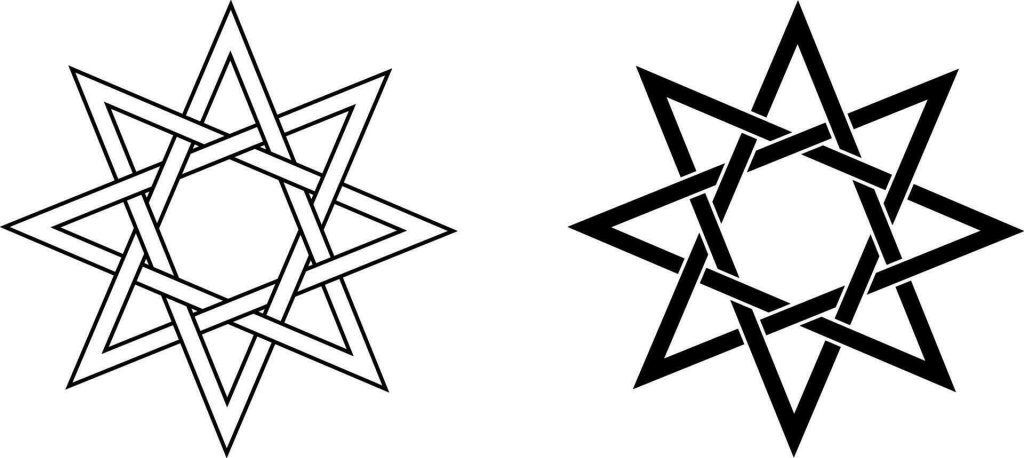
The octagram, also known as the Star of Bethlehem, is associated with the biblical story in which the star guided the Three Wise Men to the birthplace of Jesus Christ.
For this reason, it symbolizes guidance, rebirth, and resurrection.
Across various cultures and religions, the eight-pointed star is also linked to the sun.
As a result, it can represent victory, as well as spiritual awakening—the discovery of hidden truths within the subconscious.
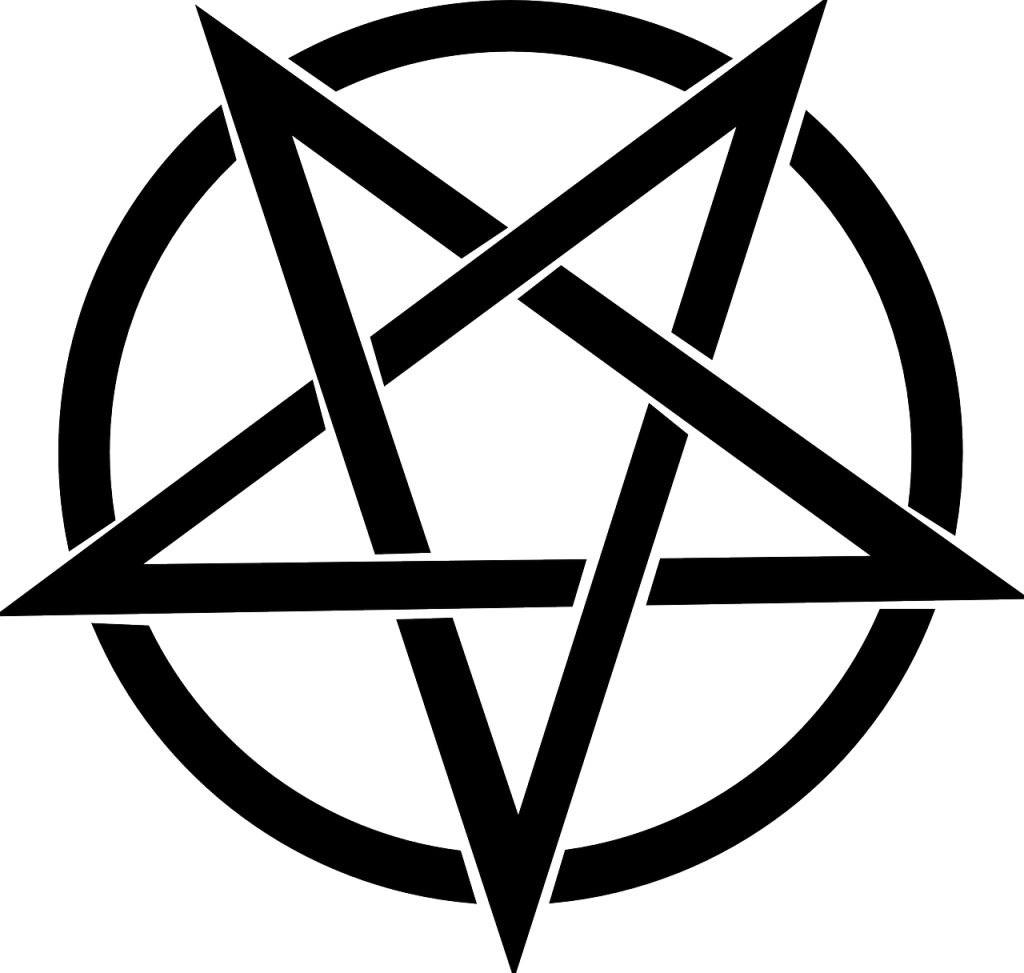
An inverted pentagram, also known as the Devil Star, is widely recognized as a symbol associated with the occult and satanic imagery.
Its origins trace back to the mid-19th century, when an occult researcher described the inverted pentagram as a symbol that reverses the natural order and represents evil forces. Since then, it has been used in contexts related to dark magic and occult practices.
Even today, the Church of Satan uses an inverted pentagram featuring a goat’s head as its official emblem.
Because of this, simply flipping the pentagram upside down can completely reverse its meaning—turning a protective symbol into one associated with devil worship, so caution is advised when choosing this design.

The nautical star represents the North Star.
While its basic shape is a five-pointed star, it is divided into alternating sections that extend from each point toward the center, creating a distinctive, geometric design.
Historically, sailors used the North Star as a guide to avoid getting lost on the open sea, where there were no landmarks to rely on. Even today, nautical charts use the nautical star as a symbol to indicate true north.
Because of this background, nautical star tattoos are commonly associated with guidance, direction, and finding one’s way.
In some contexts, particularly in modern tattoo culture, a nautical star placed on the wrist has also been used as a symbol to indicate that the wearer is gay or part of the LGBTQ+ community.

Many people may remember wishing upon a shooting star as children.
In tattoo symbolism, shooting stars represent the idea that wishes can come true.
From this meaning, the design has also come to symbolize good luck, success, and positive change.
Because shooting stars are fleeting and rare, they can also reflect cherished moments, dreams, or turning points in life.
From here, we’ll introduce a variety of tattoo designs featuring star motifs.
While stars may appear simple at first glance, they offer endless creative possibilities.
The meaning and impression of a star tattoo can change dramatically depending on line work, placement, and how it’s combined with other motifs.
We hope these designs serve as inspiration for your next tattoo.
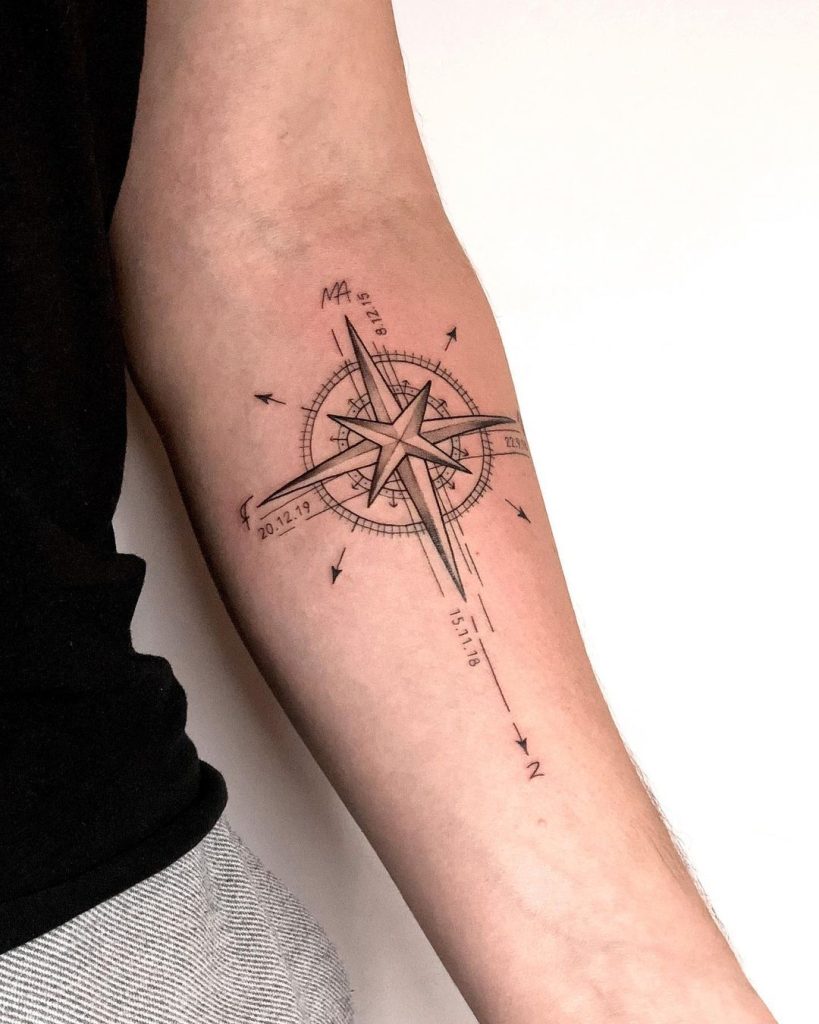
This design combines a four-pointed star with a compass.
Both symbols share the meaning of guidance and direction, making this a powerful design that strongly emphasizes the idea of a pathfinder or guiding force.
When placed on the arm, this tattoo can serve as a personal reminder to stay true to one’s direction and never lose sight of the path ahead.
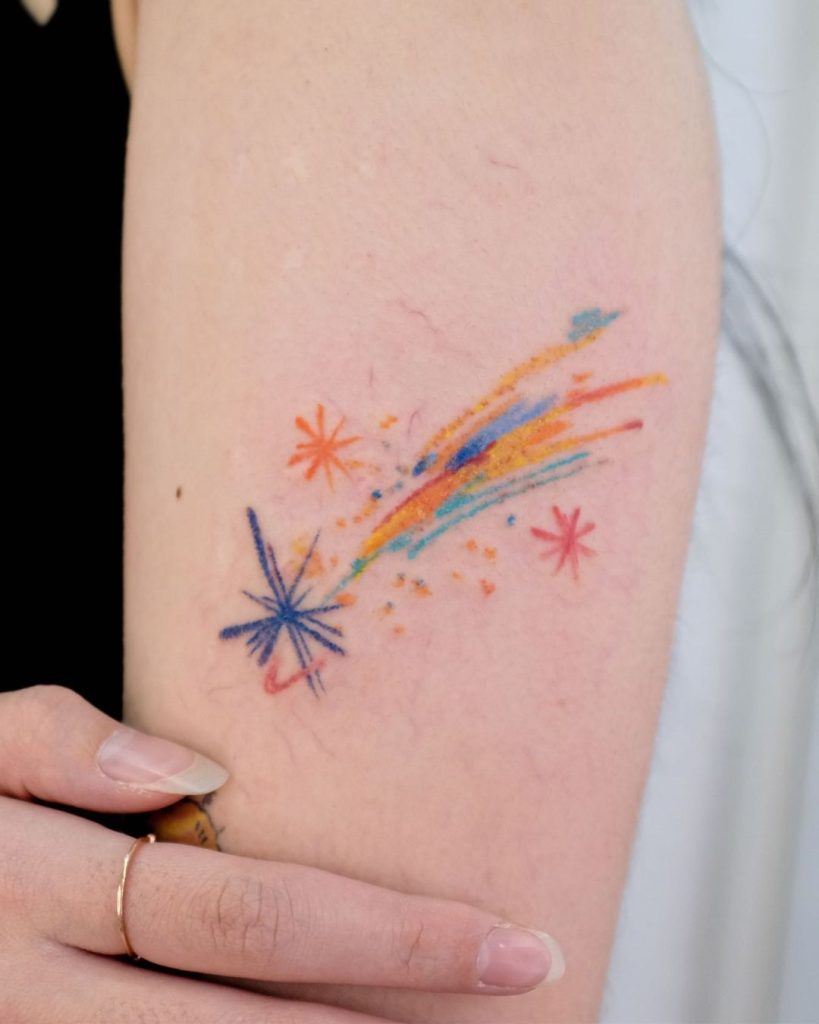
This tattoo features a shooting star drawn in a crayon-like style.
This tattoo features a shooting star drawn in a crayon-like style.
While shooting star tattoos look great in black and grey, adding color gives the design a more playful and pop-inspired feel.
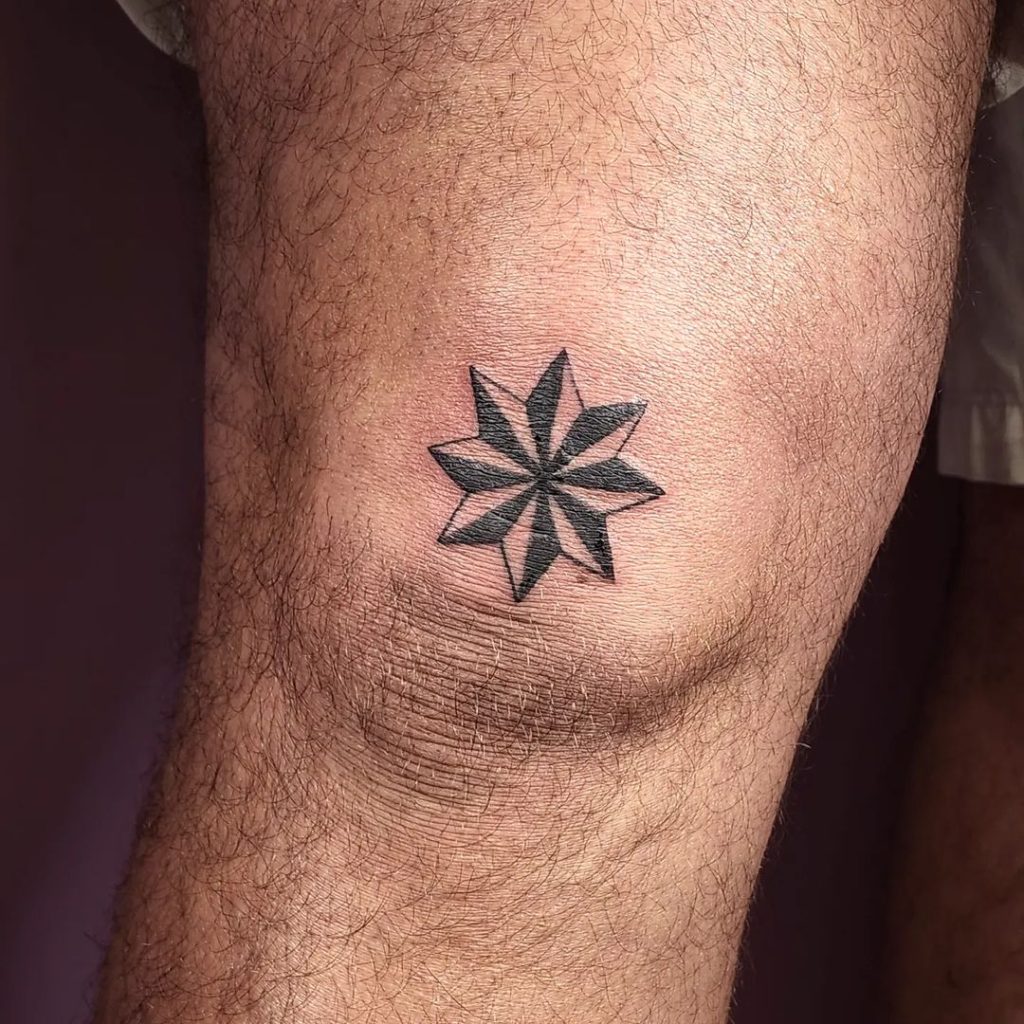
A simple octagram tattoo placed on the knee.
The area above the knee joint is known to be quite painful for tattooing, but considering the octagram’s association with spiritual awakening, it could be seen as a form of meaningful trial or personal discipline.
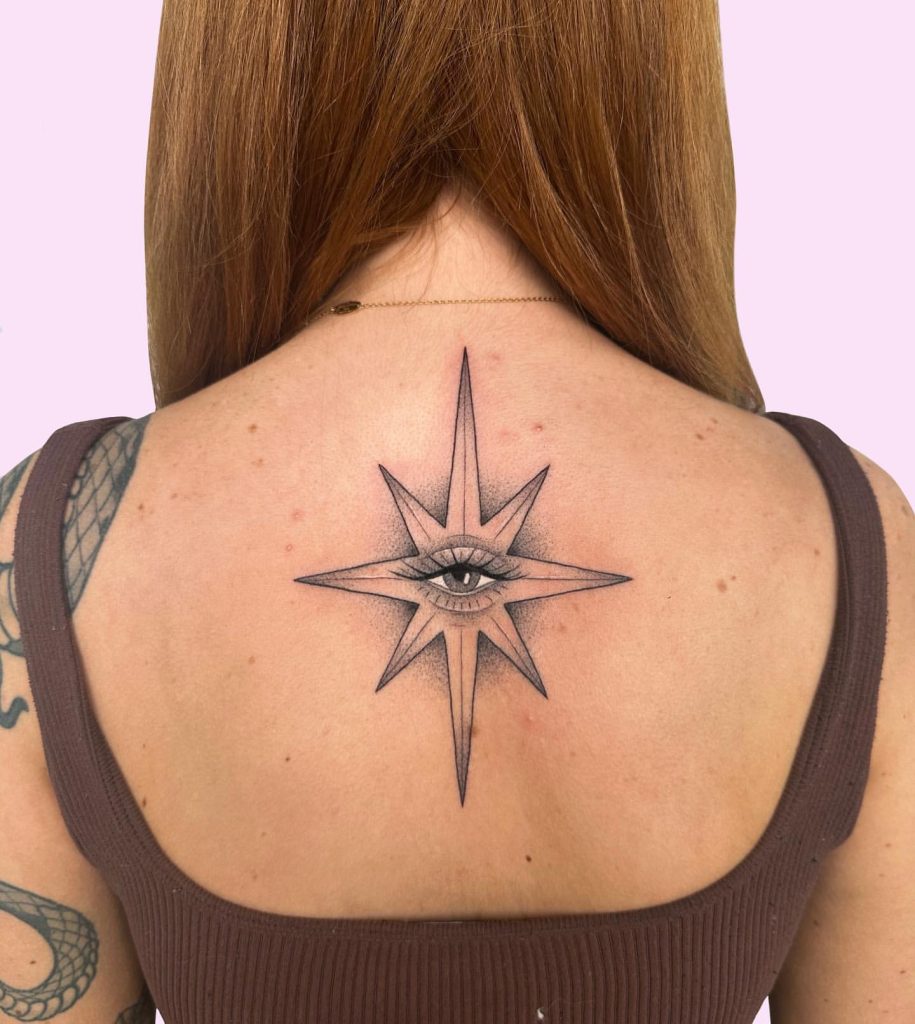
This design also features an octagram, combined with an eye motif.
The eye adds a stronger layer of meaning, symbolizing perception, awareness, and the ability to see what is normally hidden, reinforcing the theme of spiritual insight.
A tiny, one-point star tattoo placed near the base of the thumb.
Despite its small size, the design has a strong presence and offers a clean, stylish look—perfect for those who prefer subtle tattoos.
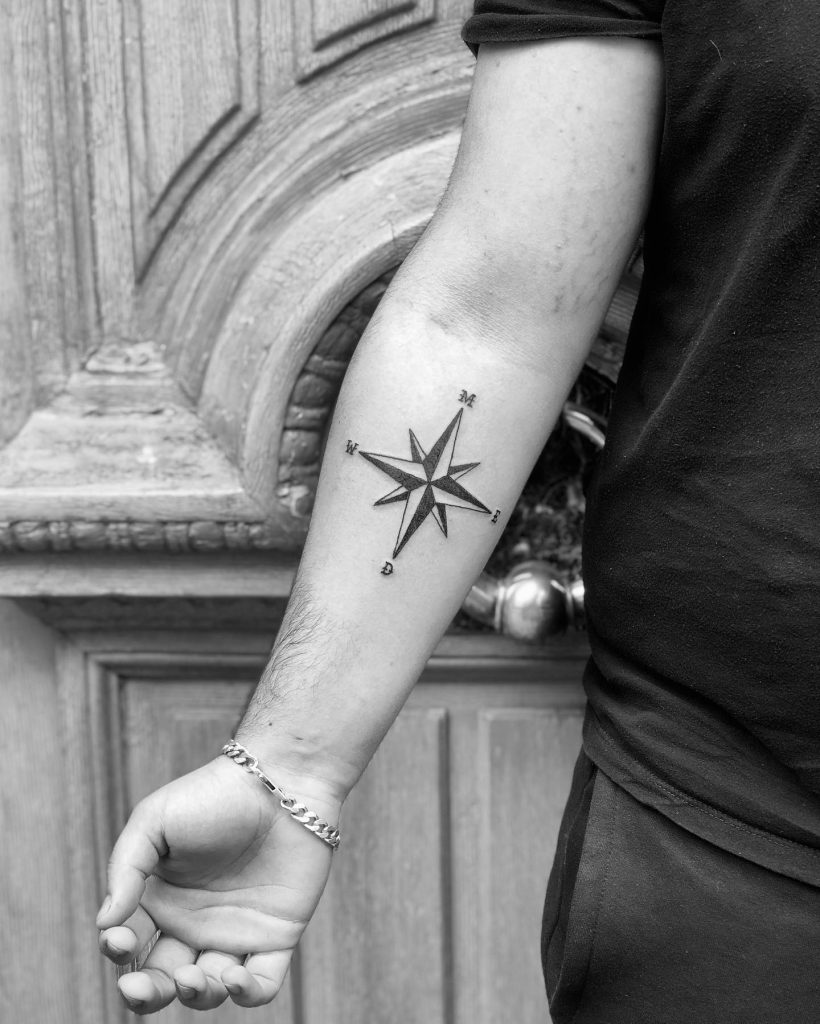
This nautical star design is paired with the initials for north, south, east, and west, staying true to its navigational roots.
The tattoo reflects a clear determination to never lose one’s way, both literally and symbolically.
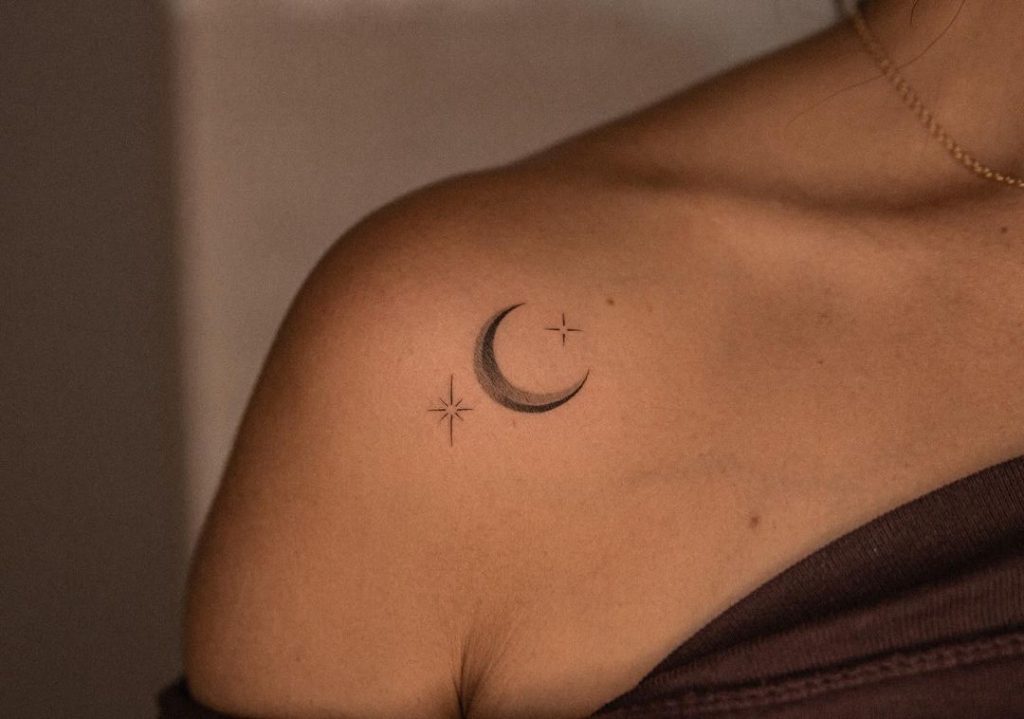
Stars shine around a beautiful crescent moon, creating a soft and balanced composition.
A small tattoo like this on the shoulder can give off a gentle, feminine impression, making it a popular choice for delicate designs.
A small, minimal star tattoo placed behind the ear.
This discreet placement makes it an ideal option for those who may need to keep their tattoos hidden due to work or family circumstances, while still enjoying a personal and meaningful design.
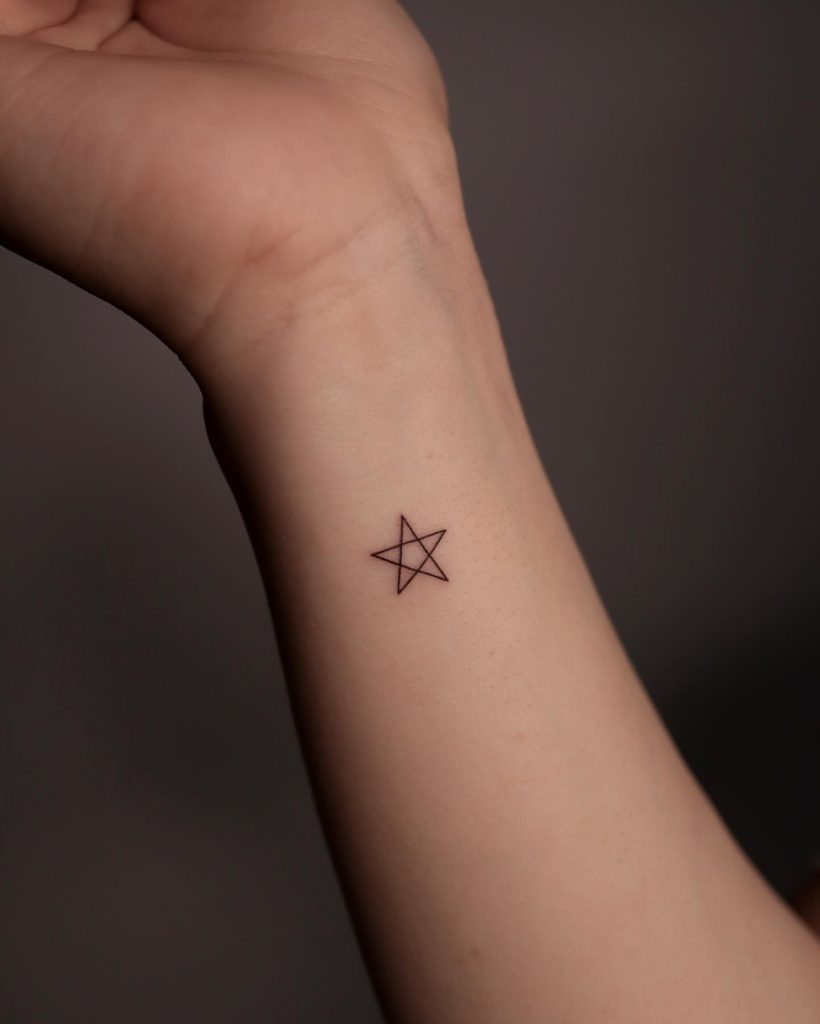
A pentagram tattoo placed on the wrist.
While stylish, the design remains very minimal, making it an easy and appealing choice for all genders. Its simplicity allows it to blend naturally into everyday fashion while still holding symbolic meaning.
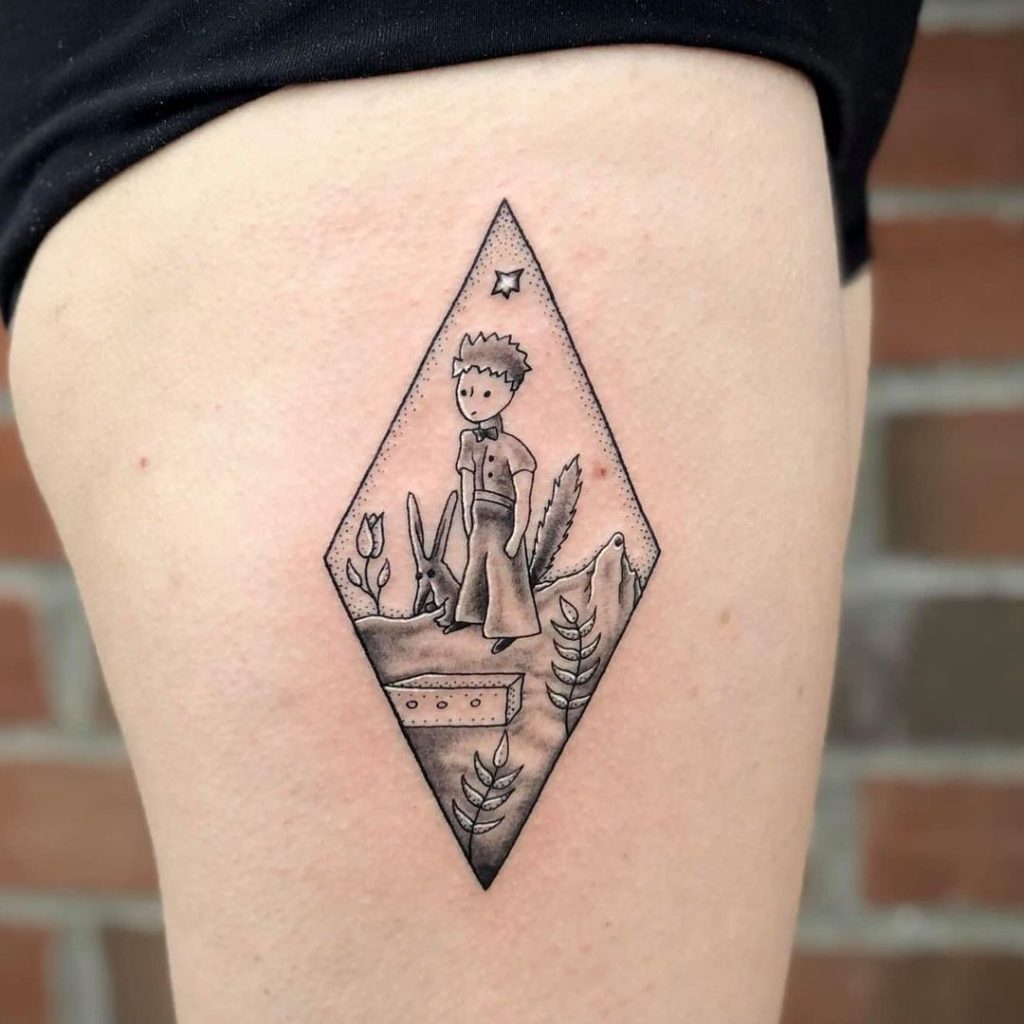
A tattoo inspired by The Little Prince, the classic novel by Antoine de Saint-Exupéry.
As the Little Prince travels from star to star, he learns that the most important things in life are invisible to the eye, and that friendship is truly irreplaceable.
These timeless themes make the story a deeply meaningful and poetic tattoo motif.
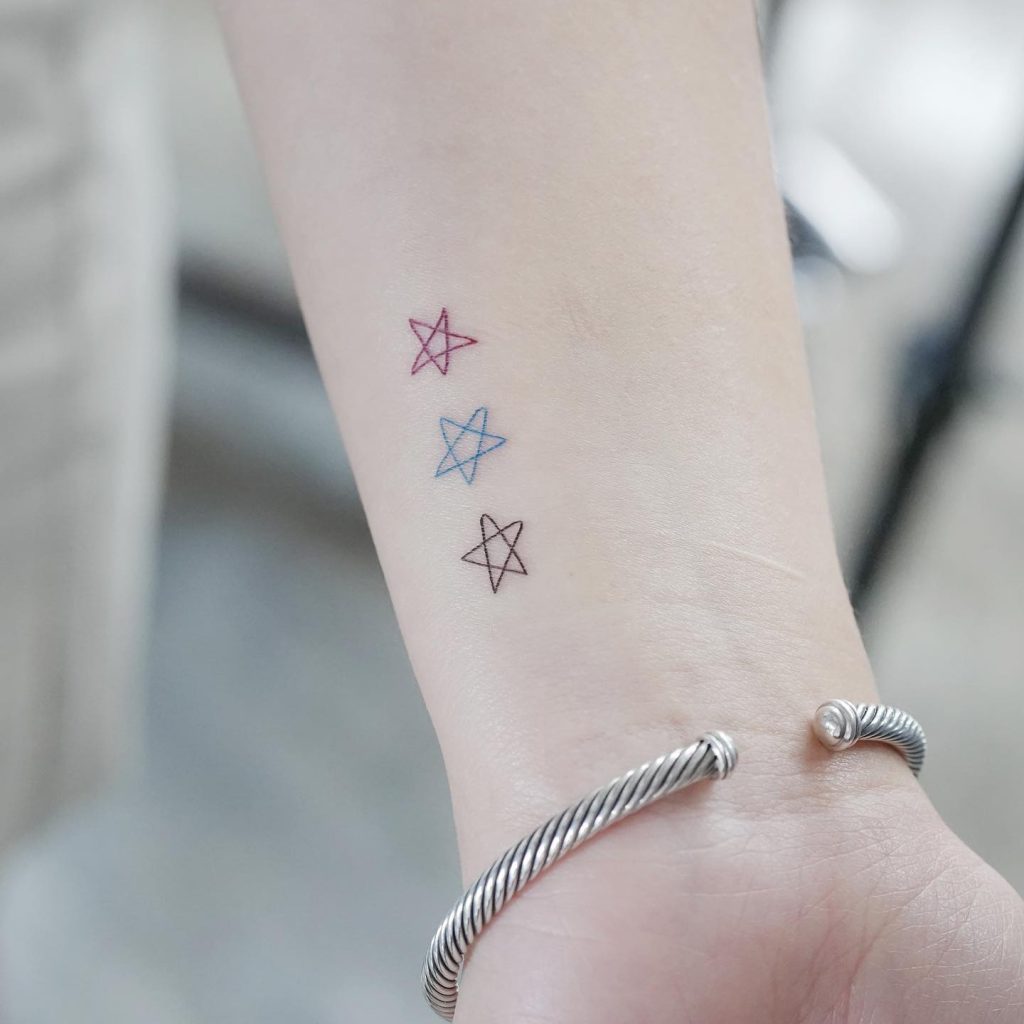
Three small pentagram tattoos are placed side by side, each in a different color.
Even a single star can look stylish on its own, but arranging multiple stars together adds a playful and pop-inspired touch to the design.
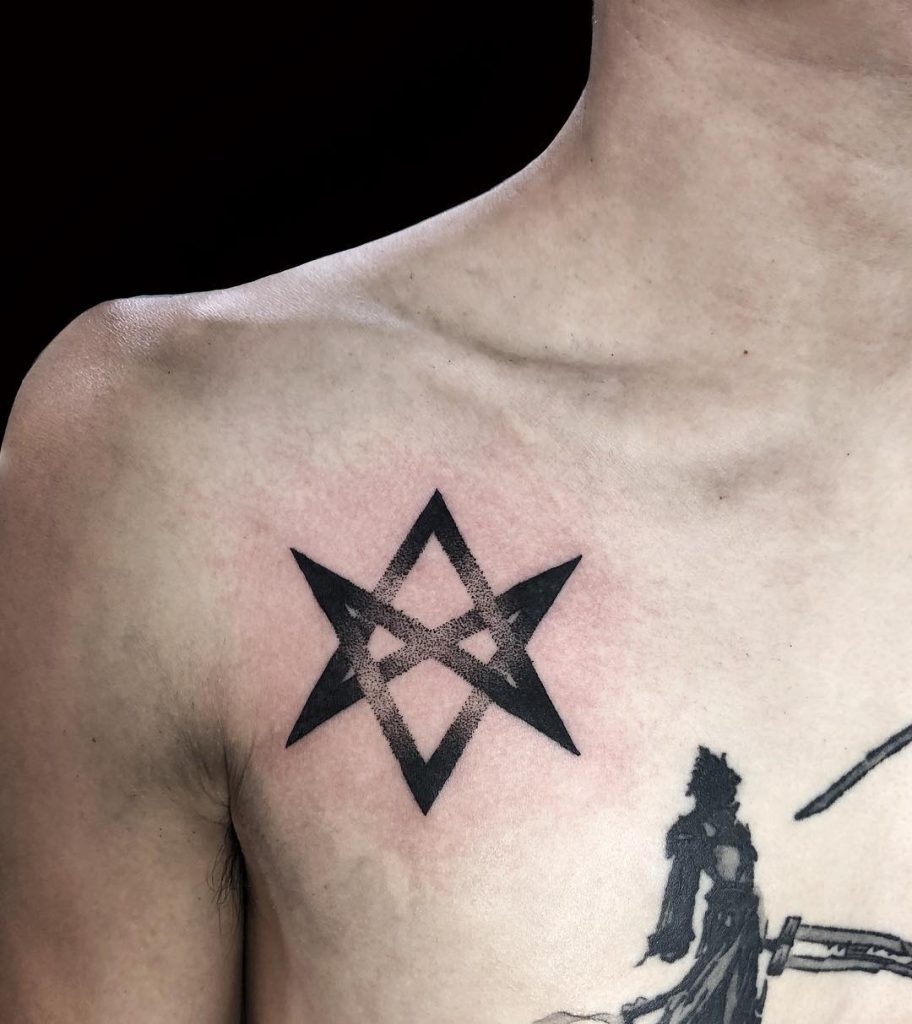
This is a hexagram tattoo, but with a slightly unconventional shape.
Even when using familiar symbols like pentagrams or hexagrams, changing the line work or structure can create a completely different impression, allowing for a more unique and personal design.
A tattoo inspired by the star mark on the shoulder of Jotaro Kujo from JoJo’s Bizarre Adventure.
Drawing inspiration from a favorite manga or anime is another great approach, allowing fans to express their identity and passions through tattoo art.